Q1.How can I look more natural in a headshot?
The biggest factors are a relaxed expression, good light, and clothing that feels like you. When you try too hard to look “corporate,” the image often becomes stiffer, not stronger.
Looking better in a headshot is usually not about dramatic retouching. It is about light, expression, framing, and clothing working together so you look credible, current, and comfortable.
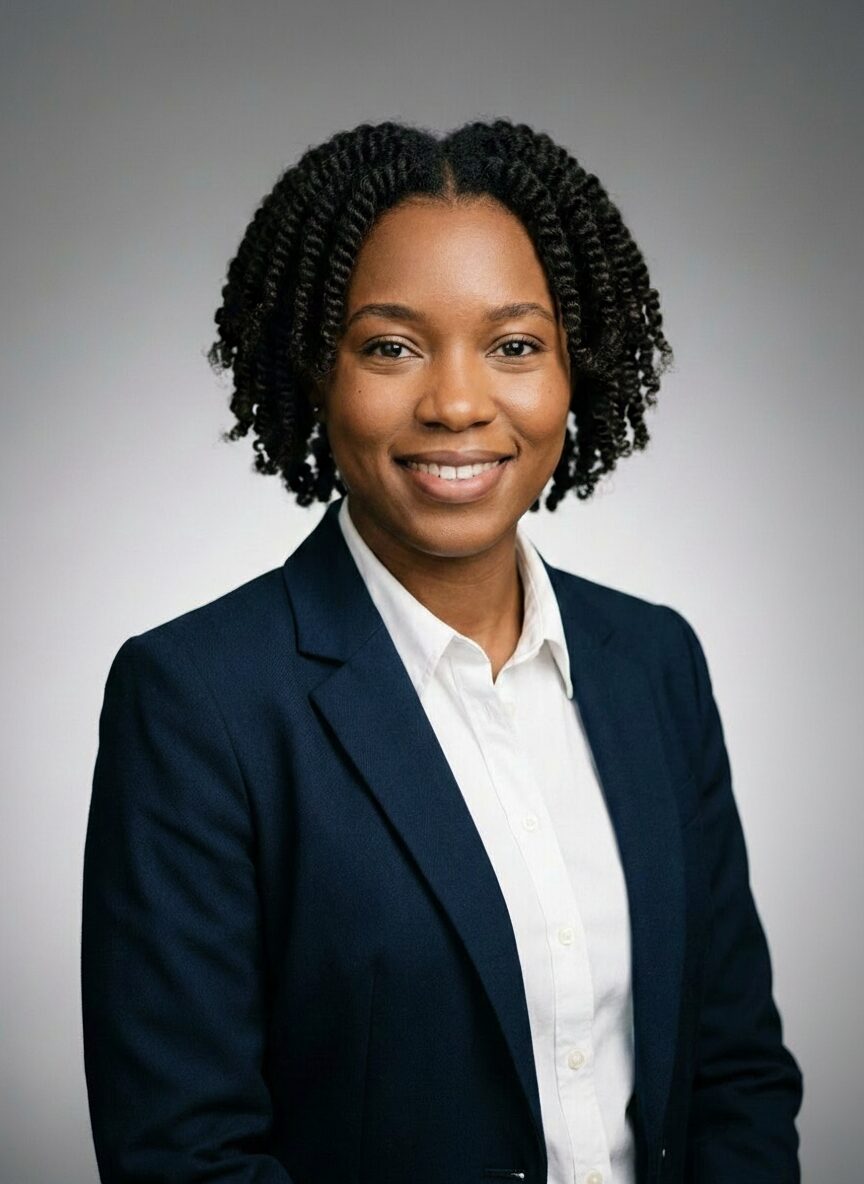
Expression
Relaxed eye contact and believable expression usually matter most.
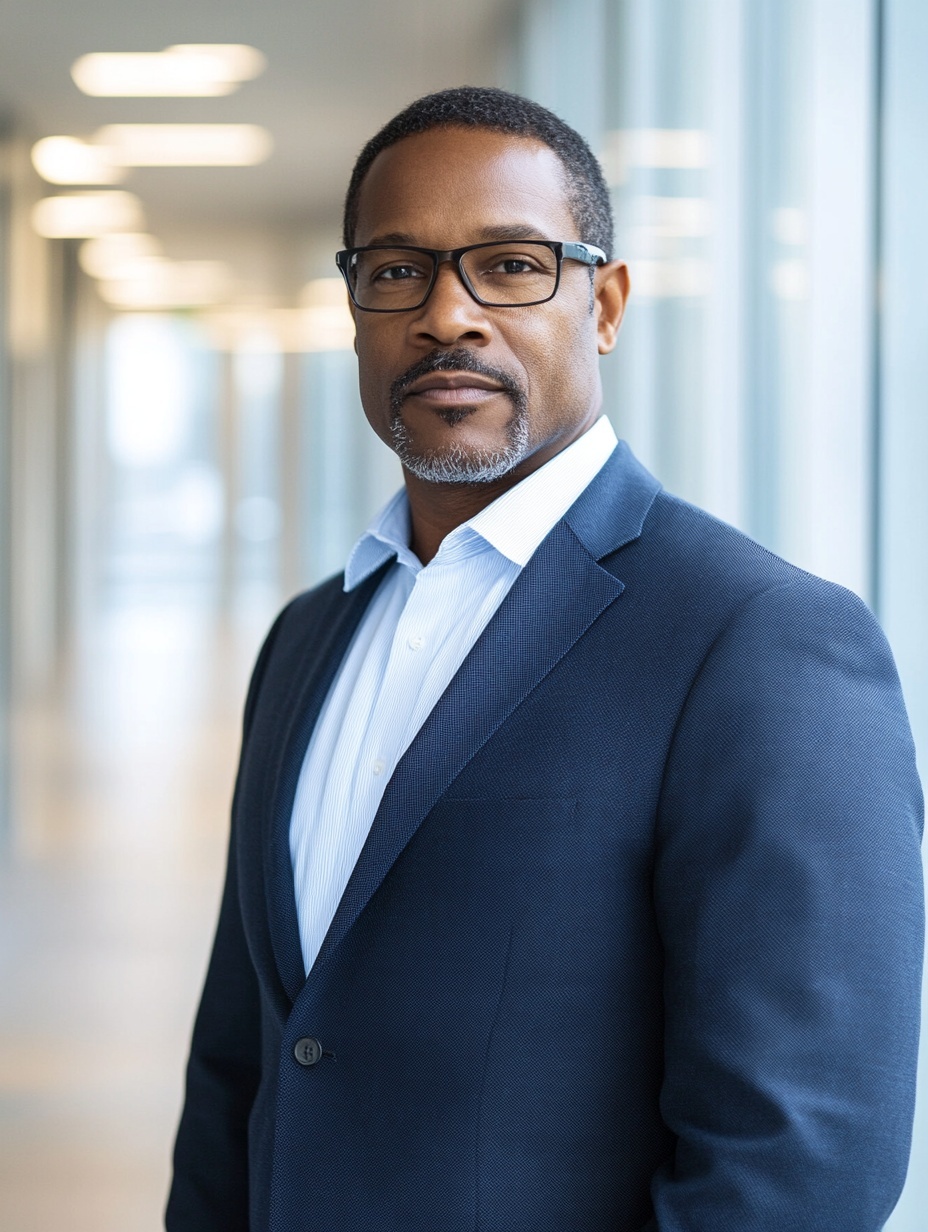
Light
Even light keeps features readable and makes the portrait feel cleaner.
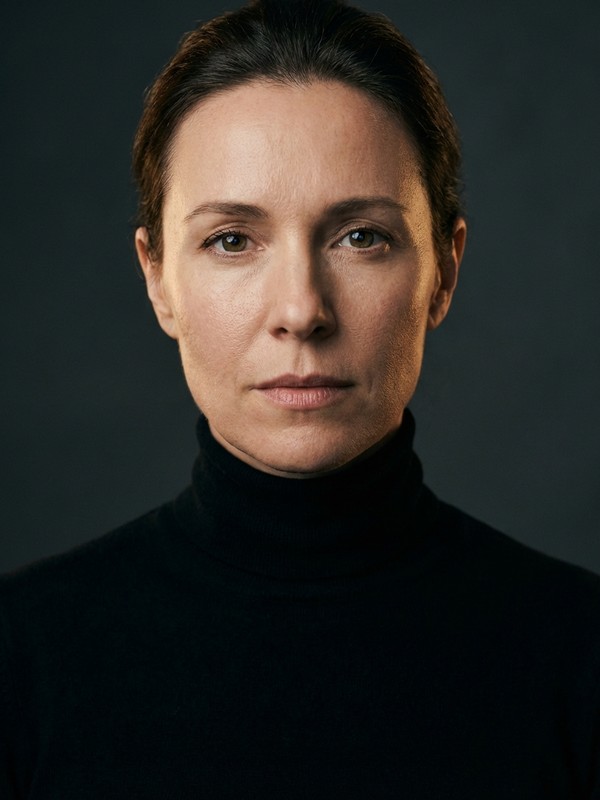
Framing
Strong headshots simplify the frame instead of competing with the subject.
A natural expression usually improves a headshot more than any styling trick. Forced seriousness often reads as tension, not authority.
Clear, even light helps your features read cleanly and makes the portrait feel more trustworthy.
Keep the attention on your face. Simpler framing nearly always beats complicated backgrounds or awkward crops.
Use 1 to 3 clear photos of yourself rather than relying on a single weak image.
Show your teeth if you want a genuine smiling result.
Wear clothing that matches your role and feels believable for your professional world.
Choose an image where you look present, alert, and like yourself now.
If the face looks tense, no amount of styling fixes it. A headshot usually improves when you look more like yourself and less like you are trying to perform “professionalism.”
Simpler clothing, solid tones, and role-appropriate styling usually make the portrait stronger because your face stays the focal point.
A few common questions from people who want to look more natural and credible in a headshot.
The biggest factors are a relaxed expression, good light, and clothing that feels like you. When you try too hard to look “corporate,” the image often becomes stiffer, not stronger.
No. Most strong headshots come from clear light, credible styling, and an expression that feels real. They do not depend on being unusually photogenic.
It can, if the process is grounded in portrait logic rather than novelty effects. That is the core of the ioomm approach.